 Buckets and Barrels™
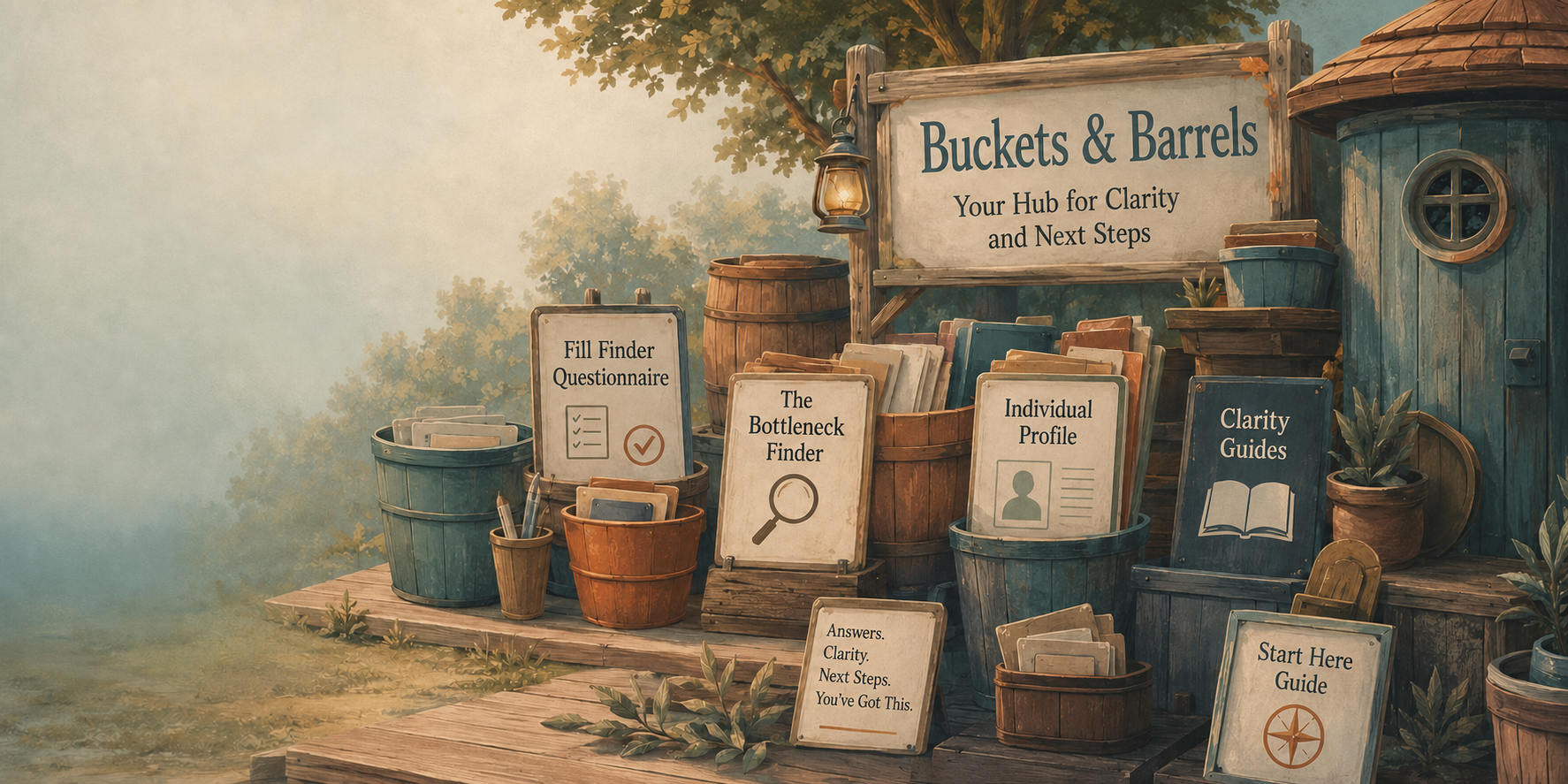
The Hub
Every free educational tool in one place: what it does, how to use it, and where to start.
Choose the Path That Fits
The Fill Finder Questionnaire
START HEREDirections: Answer 100 plain-language questions about what you notice in everyday life. Set aside about 20 minutes, or pause and return later; your answers save automatically. This free reflection tool organizes reported experiences. It is not an assessment and does not produce cognitive scores.
Kids can take it themselves. The Fill Finder for Kids reads each sentence aloud and lets a child respond with stars. Comparing the child’s Pattern of Strengths and Weaknesses with an adult’s observations can start a useful conversation; neither is a test score.
Bucket and Barrel Individual Profile
THE HUBDirections: Enter only cognitive scores from a formal evaluation to create a plain-language visual. The Individual Profile is an educational aid; it does not interpret the evaluation, diagnose a condition, or determine eligibility. Do not enter Fill Finder Questionnaire results.
Open the Individual Profile →The Bottleneck Finder
Directions: No scores are used. Work through the prompts to explore how difficult situations may interact and choose one practical support to try first. This reflection tool does not identify a cognitive deficit or determine why a behavior occurs.
Open the Bottleneck Finder →Clarity Guides
GO DEEPERDirections: After a questionnaire Pattern of Strengths and Weaknesses, or after reviewing scores from a formal evaluation, open the relevant guide. Each free guide explains the ability in plain language, describes possible everyday patterns, and offers practical questions and supports. The guides do not diagnose or determine eligibility.
The Clarity Guide Shelf
One free guide for every vessel, in plain language: what it is, what a leak looks like, and the exact words to use with teachers and in IEP meetings. Pick the one you are wondering about.
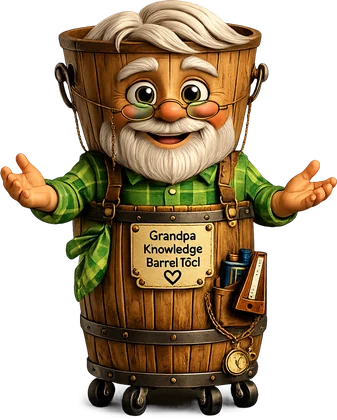
 GcComprehension-Knowledgethe libraryGrandpaOpen the guide →
 GfFluid Reasoningthe figure-it-out systemUncle ClueOpen the guide →
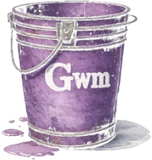 GwmShort-Term Working Memorythe countertopMillieOpen the guide →
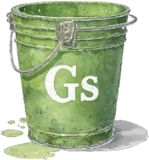 GsProcessing Speedthe conveyor beltTempoOpen the guide →
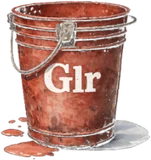 GlrLong-Term Retrievalthe filing cabinetFinnOpen the guide →
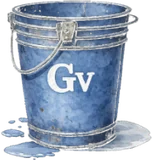 GvVisual Processingthe mind’s eyePennyOpen the guide →
 GaAuditory Processingthe sound sorterSammyOpen the guide →
 GqQuantitative Knowledgethe math bucketAshaOpen the guide →
 GrwReading and Writingthe literacy bucketHenleyOpen the guide →
Where Your Child’s Scores Sit
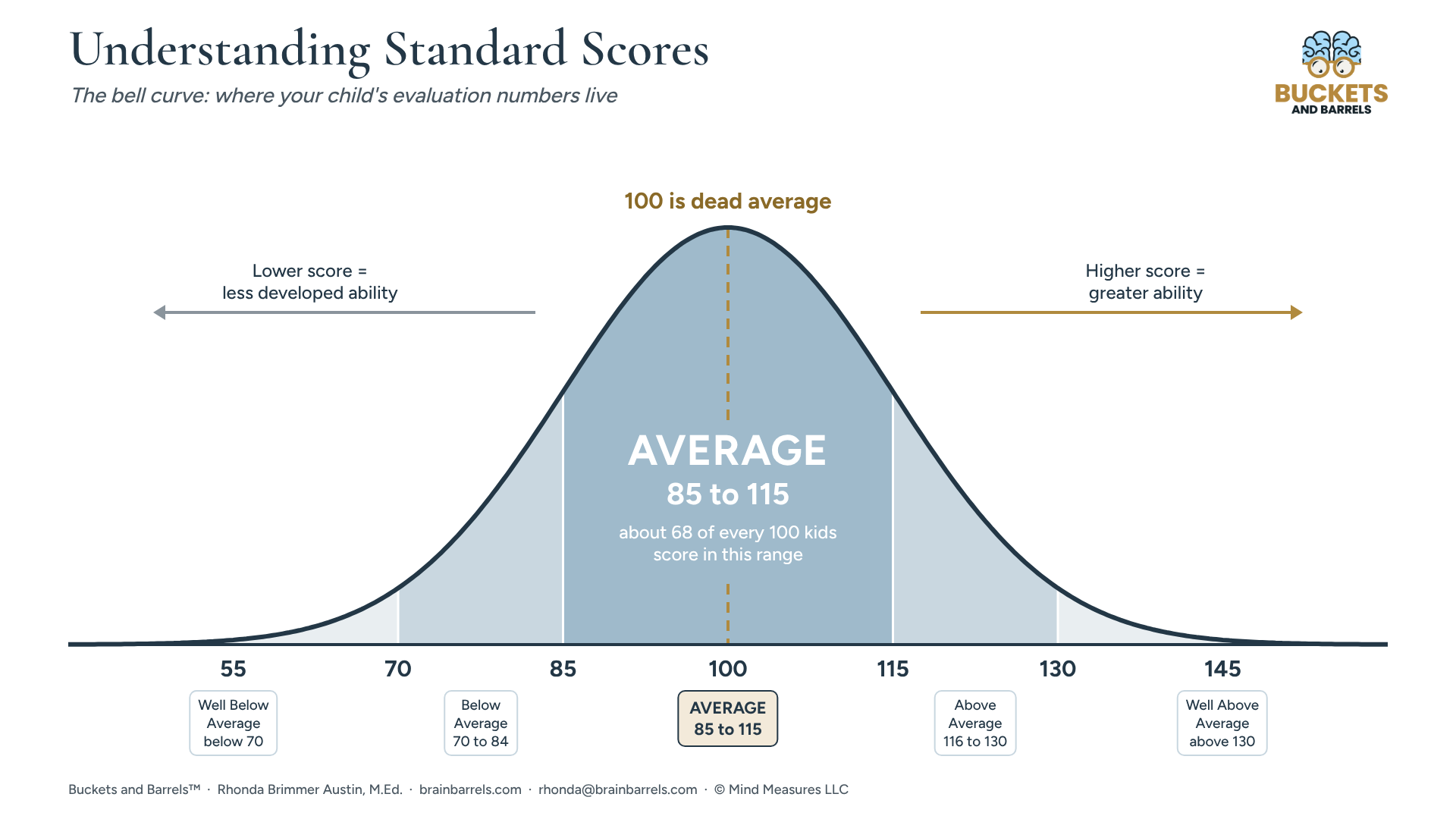
About 68 out of every 100 people score between 85 and 115. That is why the average range is so wide.
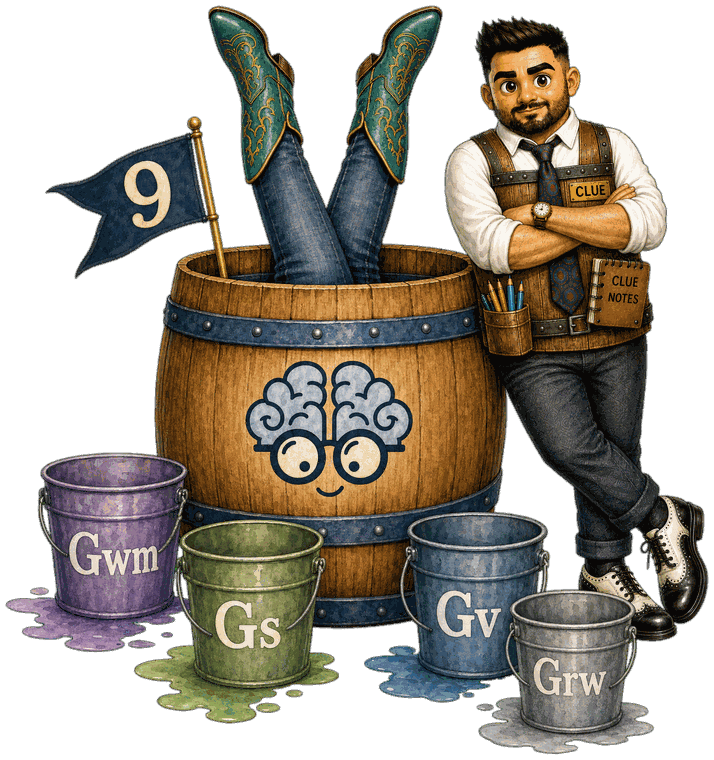
“Let’s look at the clues.”
New to the tool? Start with the big picture.
Understand the Brain First →Questions about where to start? Book a free 20-minute call.