
Bucket Hollow gives your child a warm, no-shame way to understand their own brain. Each cognitive ability becomes a neighbor with a name, a job, and a catchphrase, so a hard moment becomes “that’s just Grandpa, he hasn’t learned that word yet,” or “that’s just Penny having trouble putting the puzzle together.”
The Letters on the Houses
Every neighbor carries a set of letters. Here is who each one belongs to.
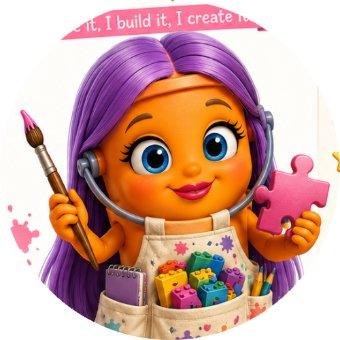
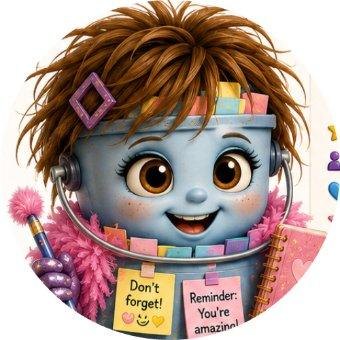
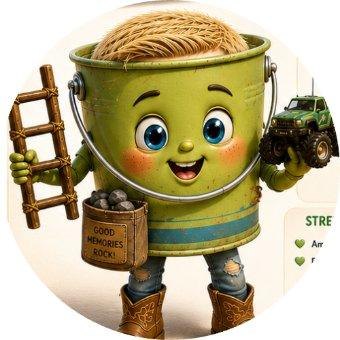




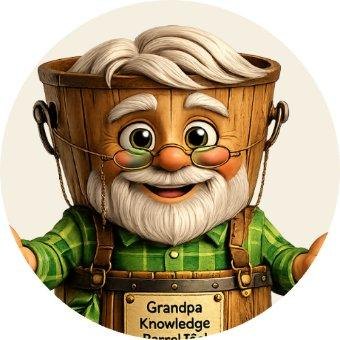

The Special Friends of the Hollow
The buckets and barrels don’t work alone. These friends move up and down the lane, keeping every bucket cared for: dipping, catching, connecting, and remembering.
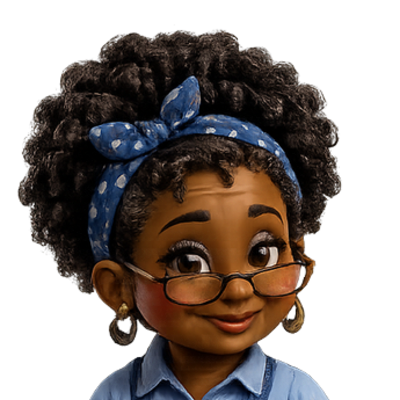
The Dipper
The Accommodator“A little goes a long way.”
Duty: Dips out of a bucket that’s full and pours it into a bucket that’s leaking, so no thinker ever runs dry.

Poppy Pail
The Feelings Collector“Don’t worry. I caught it.”
Duty: Sits under the leaks and catches every drip, so nothing precious is ever lost.

Jack Pail
The Leak-Catcher“Not a drop wasted.”
Duty: Works right beside Poppy, catching leaks two pails strong so help arrives twice as fast.
How Families Use the Bunch
No one picks the levels of their buckets or barrels. The brain is like a fingerprint,
unique to just you.
So when something feels hard, find the neighbor whose job it is. Saying “that’s Millie’s bucket, and it’s a small one” is kinder than “what’s wrong with you?” It takes the shame out of the struggle and gives you both the words to ask for the right help. Most buckets do not get bigger. What changes things is the ramps and ladders you build around them.
It Goes Both Ways
The words are not only for you. A child who knows their own buckets starts explaining themselves back.
“You put too many things on the counter. I can’t remember all of them.”
Nobody taught them to say that. You will both make it up as you go, and the child’s version is usually better than anything an adult would have handed them.
That is the whole hope. A child who can name what is hard stops shrinking when they make a mistake. They tell you what happened instead.
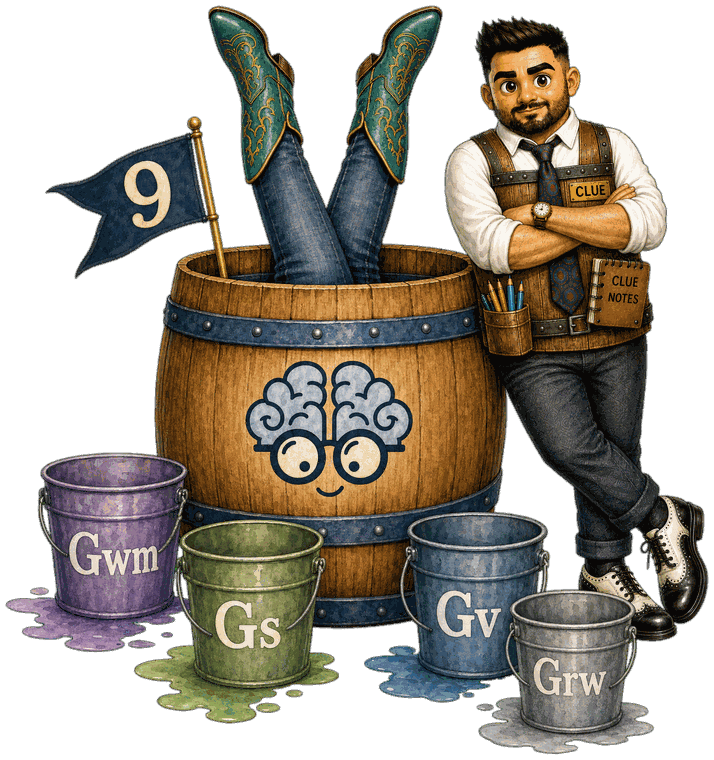
“Let’s look at the clues.”
How to Tell Buckets Are Leaking
Each neighbor has a plain-language Clarity Guide, and the Fill Finder helps you spot where your child needs support. No test scores required.