Start Here
For parents · Read this one first · About 10 minutes
Picture your child’s mind as a set of vessels: two big barrels (the knowledge library and the figure-it-out system) and a row of buckets (memory, speed, retrieval, pictures, sounds, math, and literacy). Think in volume, not labels: nobody chose their fill levels, but everybody can work with them.
The behavior is the pressure gauge. When demand outruns supply, the brain shuts the valves. The meltdown, the refusal, the tears over “easy” homework: that’s the system telling you exactly where the water stopped flowing.
Before we start ›
If you’re reading this, there’s a good chance you’re tired. Maybe you just left a school meeting where people used words you didn’t recognize to describe a child you know better than anyone. Maybe you’re holding an evaluation report full of numbers that might as well be in another language. Maybe you’ve heard the words lazy, defiant, or unmotivated one too many times, from a teacher, from a relative, or from the worried voice in your own head at two in the morning.
However you arrived here, you’re in the right place. Maybe you took The Fill Finder Questionnaire and you’re holding your child’s Bucket and Barrel Individual Profile. Maybe you came with testing of your own. Or maybe you have nothing yet but a gut feeling that something isn’t adding up. All three roads lead to the same door. This guide will make sense of what you have, and show you what to do with it.
This guide is for you. It won’t diagnose your child, and it won’t label them. What it will do is hand you a new way of seeing: one that turns “what’s wrong with my child?” into “how does my child’s brain work, and what does it need?” Those are two very different questions. Only one of them has an answer you can do something with.
One honest thing before we begin. As you start this journey, look at the way your brain works too, not just your child’s. Many times, the apple does not fall far from the tree. I would encourage you to take The Fill Finder Questionnaire yourself first, before you examine your child, and to think about both parents and their thinking abilities. You might find yourself with a smile, a giggle, or a finger to point at somebody else in your family. Point it kindly. Remember, nobody chose their fill levels, including you.
This is meant to be a tool to help, not to harm. A tool to explain. A tool to make you see a situation differently. A TOOL to make change. So relax, take a deep breath, and I certainly hope it is helpful.
Ramps and ladders, not a label ›
When a child struggles, the labels come fast: lazy, defiant, unmotivated, inattentive. But underneath the behavior is often a simple truth: they don’t know how to begin. It’s not that they won’t try. It’s that they feel defeated before they even start, and they mask that fear by avoiding the task.
Just because a child doesn’t know how to solve it yet doesn’t mean they’re not smart. It means they need ramps and ladders, not a label. You’re not broken. They’re not broken. We just have to understand how their brain works.
And here’s the part I need you to hear: you are your child’s best translator. If you can see that the struggle isn’t defiance but confusion, you can step in before the confidence is gone. Every support in this tool is a ramp or a rung on that ladder.
The Tool: Barrels and Buckets ›
Picture your child’s mind as a set of vessels: two big barrels and a row of buckets.
The barrels are the heavy hitters, the powerhouse thinking systems that carry the most cognitive weight:
- Comprehension-Knowledge (Gc) is where everything we’ve already learned is stored: vocabulary, facts, the routines we know by heart. It’s the library.
- Fluid Reasoning (Gf) is what we use when our stored knowledge isn’t enough. When there’s no script to follow, Gf steps in to figure it out.
The buckets are the systems the barrels feed. They keep daily thinking and learning running:
- Working Memory (Gwm): the countertop where information sits while you use it. Small counter, and things fall off.
- Processing Speed (Gs): the conveyor belt. How fast routine mental work moves through. Not smarts. Speed.
- Long-Term Retrieval (Glr): the filing cabinet and the file clerk. Storing things away and finding them again on demand.
- Visual Processing (Gv): the mind’s eye. Making sense of pictures, space, charts, and maps.
- Auditory Processing (Ga): the sound sorter. Pulling apart the sounds inside words and hearing speech through noise.
- Quantitative Knowledge (Gq): the math bucket. Number sense, math facts, and every quantitative idea built up over the years.
- Reading & Writing (Grw): the literacy bucket. The reading and writing skills stacked brick by brick since kindergarten.
Here’s why the barrels matter so much: when a barrel is full, it feeds and fuels the buckets. It’s easier to remember a list of instructions (memory) if you can first spot the pattern in them (reasoning). When the barrels are full, the whole system runs smoother. And when a barrel leaks, the buckets feel it too.
Think in volume, not labels ›
Now here’s the shift that changes everything: stop thinking pass/fail, and start thinking volume.
One child may have a barrel that’s three-fourths full. Another may only have a fourth. That doesn’t mean one is smarter than the other. It means one has more mental fuel in that area and needs less support. The other needs more structure, more modeling, and more guidance. Not because they’re lazy. Because they’re low.
Volume moves the conversation from “what’s wrong with this child?” to “how full is this particular barrel, and how much support does that call for?” And it lifts the blame. It’s not your fault. It’s not your child’s fault either. Nobody chose their fill levels, but everybody can work with them.
It’s all one water system ›
Here’s the part that ties everything together: these vessels aren’t sitting on separate shelves. They’re plumbed together, one connected water system.
When a vessel runs low, the brain doesn’t just give up. It gets resourceful. It borrows from whichever vessel has more volume: a fuller barrel, a stronger bucket. (And those volumes are steady. A vessel doesn’t shrink on a bad morning or grow on a good one. What changes from day to day is the demand pouring in, not the size of the vessels.) A child with a leaky memory bucket borrows from a full reasoning barrel: spot the pattern in the instructions, and suddenly there’s less to hold. A child low on words borrows from a strong figure-it-out system and reads the room instead. Borrowing is why some weaknesses hide for years: the system quietly covers for its own leaks, and nobody sees the low vessel until the demands get heavy.
But borrowing has limits. When more than one vessel runs low, there’s nowhere left to dip. Every demand pulls from the same connected supply, and all of it has to squeeze through the narrowest point in the system: the bottleneck. Demand keeps pouring in. Supply can’t keep pace. And the brain does what any overloaded water system does: it shuts the valves. “Wait a minute. I can’t do all of that.”
What you see next is behavior. The meltdown. The refusal. The tears over “easy” homework. The slammed door. The behavior isn’t the problem. The behavior is the pressure gauge. It’s the system telling you exactly where the water stopped flowing, if you know how to read it.
When the child understands how their brain works ›
Now the part that changes everything: teach the child how their brain works.
A child who knows “my memory bucket is small, but my reasoning barrel is full” stops believing I’m stupid and starts asking what do I need right now? They learn to feel the pressure rising before the valves slam shut, and that’s the moment they can reach for a ramp or a rung instead: take a movement break. Ask for help. Find another route to the answer.
Small changes, every one of them. But that’s the point of ramps and ladders: small changes are how they’re built. A ramp gets them moving today, and every rung they climb makes the next one reachable. Those are choices a child can only make if someone has taught them why they do what they do. From the outside, a meltdown can look intentional. From the inside, it’s a system with nowhere to put the pressure. Give a child that understanding, and you give the pressure somewhere to go, before it becomes a behavior everyone else gets to name.
That’s not just calming a child down. That’s a child learning to accommodate themselves: the most portable ramp there is.
When the outburst is on purpose ›
Before we move on, one distinction deserves its own moment, because it fools almost everyone: teachers, relatives, sometimes even us. Not every outburst is the same kind of outburst.
Some behavior at the bottleneck is exactly what it looks like from the inside: a natural reaction. The volume simply runs out, the valves slam shut, and the flood arrives. Nobody planned it. Nobody chose it. That’s the meltdown we just described: a system with nowhere to put the pressure.
But some kids act out before the bottleneck ever hits. They’ve been down this road enough times to know exactly what’s coming. The assignment lands on the desk, the pressure starts to build, and they’ve learned that flipping a chair gets them out of the room faster than sitting there drowning. That one is intentional. He really did do it on purpose. But look at what the purpose is: escape from an overload he saw coming. That child isn’t ignoring his water system. He’s reading it better than anyone else in the room. He knows exactly when his valves are about to shut, so he pulls the release handle early. The problem isn’t the forecast. The problem is that the only exit he’s ever found is the one marked “trouble.”
Here’s what both of these children have in common: they can already feel it. The rising pressure, the moment the water runs out. They’ve been feeling it for years. What they don’t have is words for it. No language for what’s happening inside their own brain, and no picture to hang it on. So the body does the talking instead.
That’s where the buckets and barrels come in. Sit down with a child and walk them through their own vessels (this bucket of yours runs low, this barrel of yours is full, and when the low ones empty out, that pressure you feel is real) and something shifts. I’ve watched it happen again and again: once a child has the words, they start to own the behavior. Not because anyone lectured them, but because it finally makes sense. They begin to make their own accommodations (the break, the question, the other route) and they learn to settle themselves before the valves ever slam.
And the child who was misbehaving on purpose? Once he understands why he does it and can see it coming himself, he doesn’t need the outburst anymore. The escape hatch marked “trouble” loses its job, because now he has a door with his own name on it.
The engine under the behavior: stress shuts down thinking ›
Here’s what adults often miss. When a child’s brain doesn’t know how to begin, the stress response takes over. Cortisol floods in. Thinking shuts down. Emotions follow. They’re not being lazy or dramatic. They’re overwhelmed. And when they’re overwhelmed often enough, they start to expect failure.
What does that look like from the outside? Perfectionism. Avoidance. Control-seeking. One child withdraws and stops trying. Another explodes in frustration, just to distract from how lost they feel. Those aren’t character flaws. They’re survival strategies. The behavior is the brownout: the thinking part of the brain has gone offline under load.
So when your child stalls, melts down, or “won’t try,” read it as a signal: demand just exceeded capacity. That’s not defiance. That’s overload. Defiance needs correction. Distress needs connection. And the on-purpose escape we met earlier? That’s distress wearing defiance’s jacket. It needs the words first, then a better door. Learning to tell them apart is half of this tool.
Supports are ramps, not crutches ›
Somewhere along the way, somebody will tell you that helping your child too much will make them dependent. Let me take that worry off your plate. Scaffolding isn’t giving a child the answer. It’s showing them where to start and letting them take the next step. These supports are not crutches. They are ramps.
The rule is simple: give just enough to get them moving, then step back. If they stall again, offer the next nudge. It’s a dance, not a takeover. The goal is just enough structure that their brain can climb out of confusion and into confidence.
And the best ramps fade. As your child masters a skill, remove a step or two so they do more on their own. That’s not coddling. That’s how confidence gets built, one faded support at a time.
Each bucket has its own Clarity Guide. Start with the one that sounds like your kitchen table. If you used The Fill Finder Questionnaire, the Pattern of Strengths and Weaknesses can help you choose which guides to read first. It organizes reported experiences; it does not measure cognitive ability. If you have a formal evaluation report, look for the same G names in the score tables and use the scores reported by the evaluator. If you have neither, start with the guide that best matches what you observe.
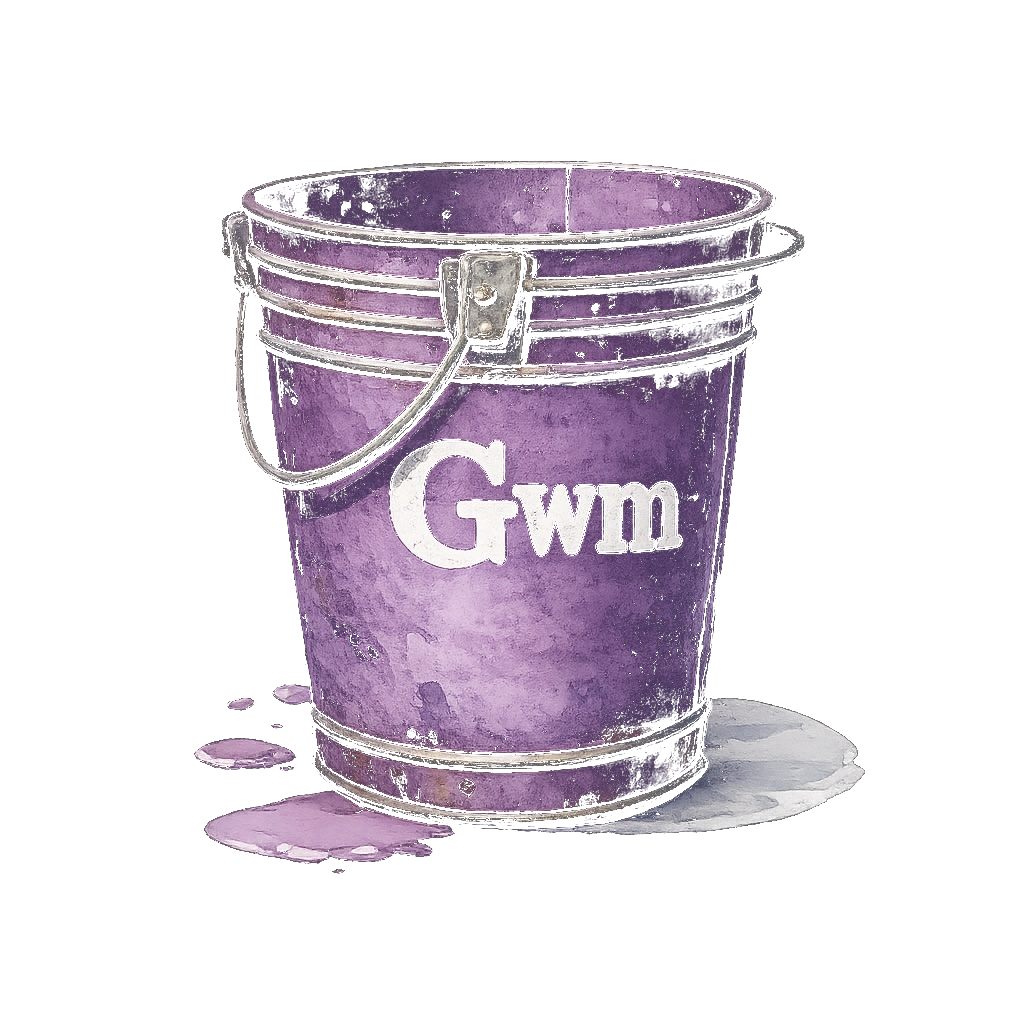 “Three instructions in, two are gone. ‘Wait, what did you say?’”
Working Memory (Gwm) · Millie →
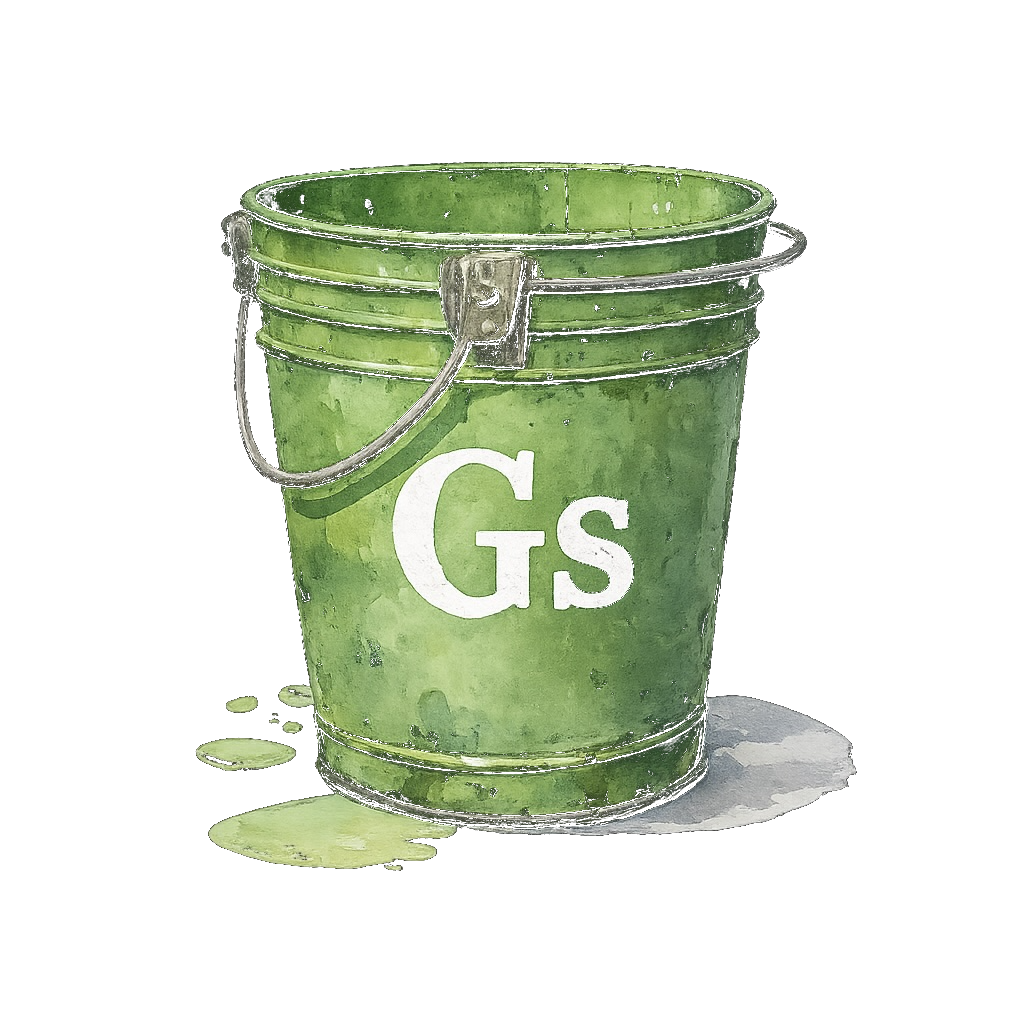 “Knows the material, but everything takes forever. Homework is a two-hour siege.”
Processing Speed (Gs) · Tempo →
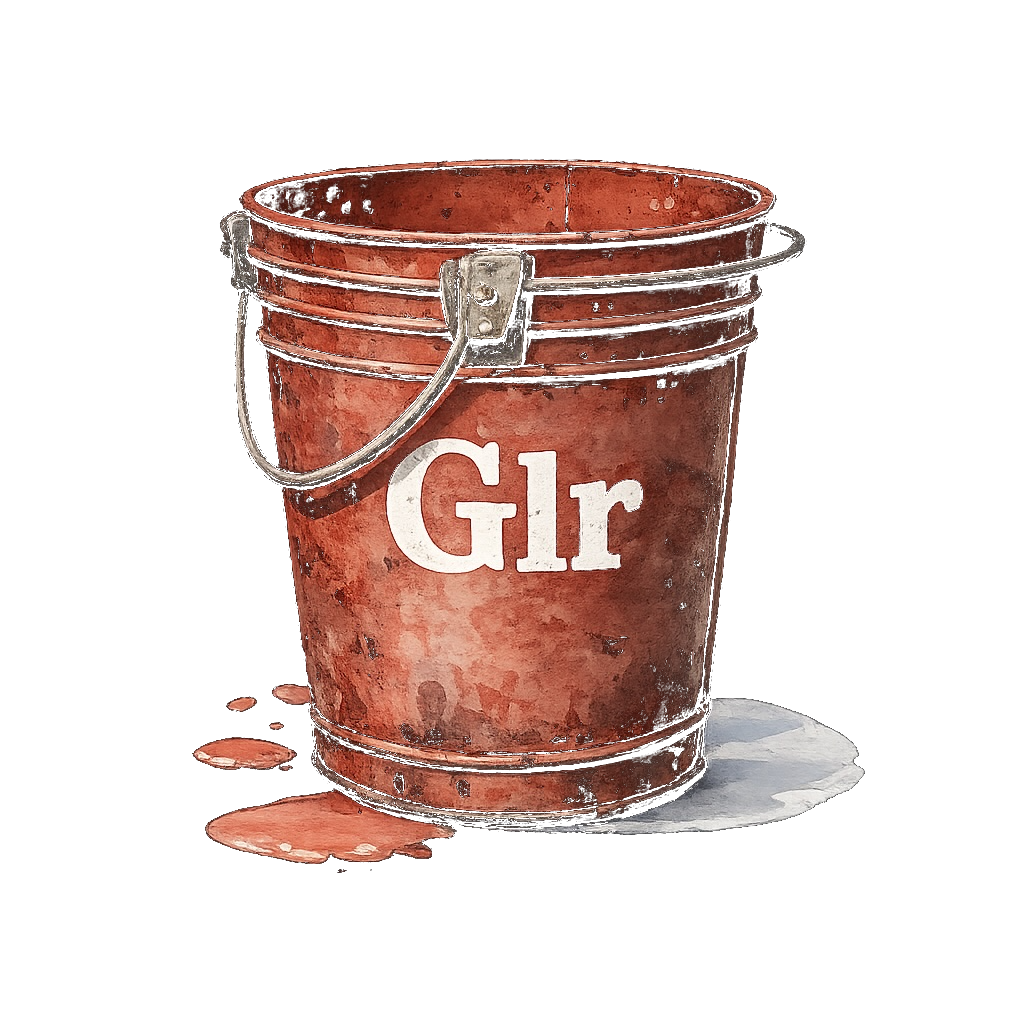 “Studied Tuesday, gone Thursday. It’s on the tip of their tongue.”
Long-Term Retrieval (Glr) · Finn →
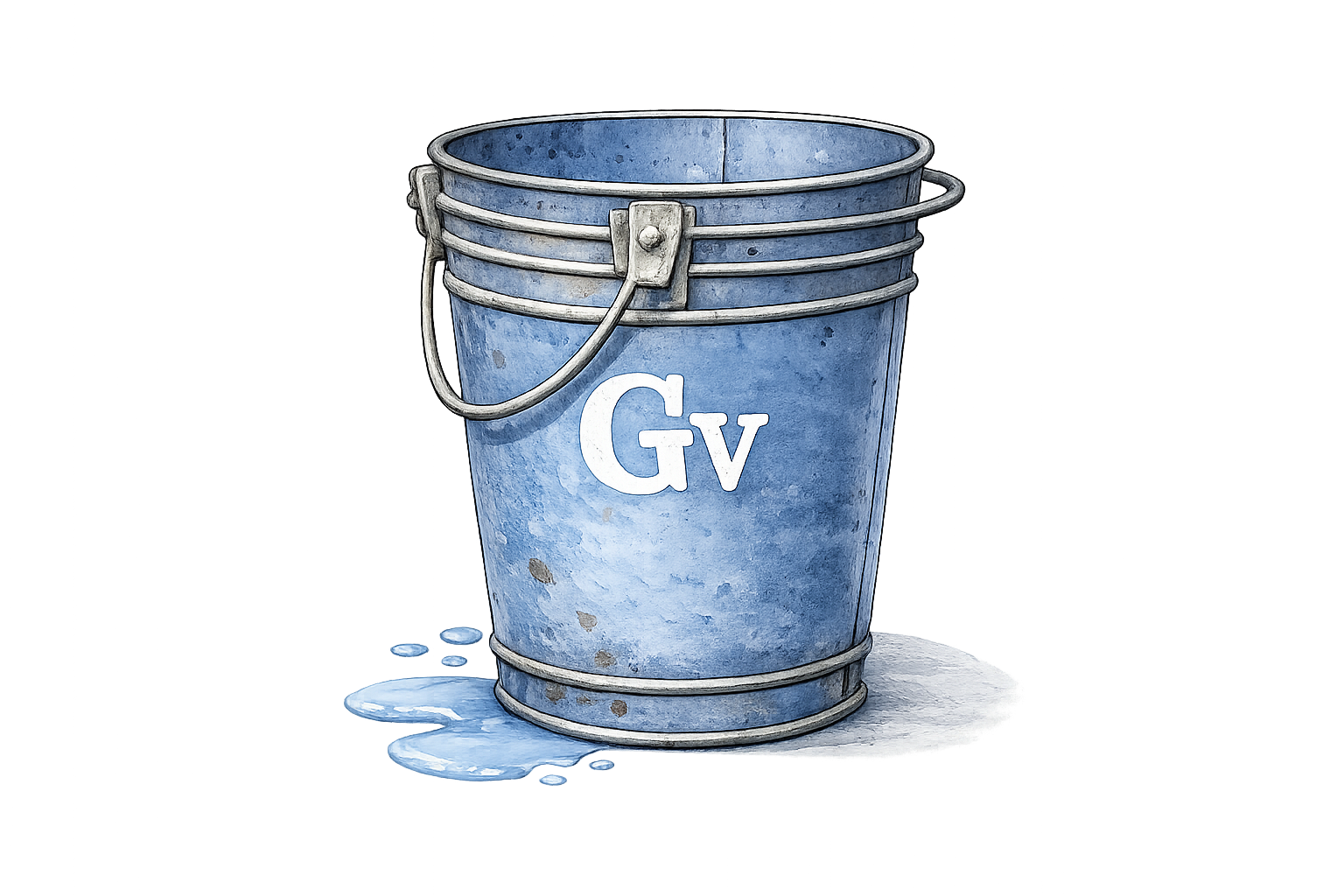 “Can’t find what’s right in front of them. Messy papers, misaligned math.”
Visual Processing (Gv) · Penny →
 “‘Huh?’ Then answers three seconds later. Wiped out by noisy places.”
Auditory Processing (Ga) · Sammy →
 “Math homework is a nightly war. The facts just won’t stick.”
Quantitative Knowledge (Gq) · Asha →
 “Reads slowly, guesses at words, avoids anything involving a pencil.”
Reading & Writing (Grw) · Henley →
The two barrels (Comprehension-Knowledge and Fluid Reasoning) share their own bigger guide: they’re the heavy hitters, so they got the double-wide. If more than one sounds familiar, that’s normal. These systems work as a team, and they leak as a team. Start with the loudest one.
This tool is a translator. It takes the technical language of cognitive testing and turns it into plain pictures you can act on: at the kitchen table, in the classroom, and in the IEP meeting. It isn’t a diagnosis, a label, or an eligibility decision. Those belong to qualified professionals who know your child and your situation.
Your child is not lazy. Not broken. Just wired.
Barrels and buckets at fill levels nobody picked, doing their best under loads nobody sees. You now have something most parents in that school meeting don’t: a way to see it, and a tool to act on it. Pick the guide that sounds like your child, and let’s build the ramps and ladders.
Use The Fill Finder Questionnaire to organize everyday observations and choose Clarity Guides. If you already have scores from a formal cognitive evaluation, use the separate Bucket and Barrel Individual Profile.
This guide describes cognitive patterns in plain language for educational purposes. It does not diagnose any condition or determine special-education eligibility.
Still have concerns? You can request an evaluation from your local school district’s special education department at no cost.