 Buckets and Barrels™
Rhonda Brimmer Austin, M.Ed.
At 63, I turned a lifetime of “Talks Too Much” into a tool that helps families.
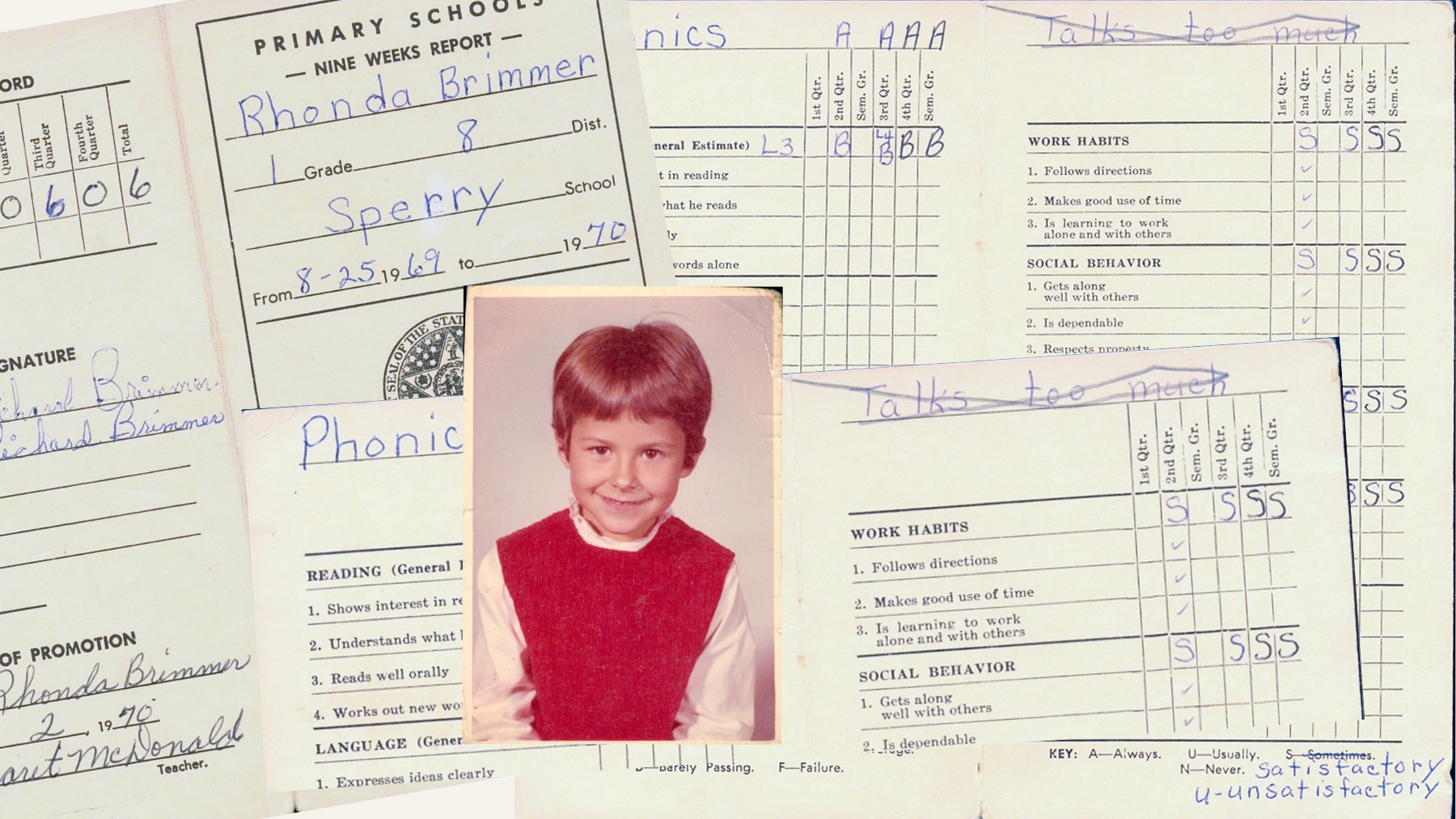
Talks Too Much
Tap it to cross it out again.
Mrs. McDonald was my first-grade teacher, and I was in the lowest “Blue Bird” reading group. So when we were supposed to be doing seatwork, I was doing what I did best: talking.
Back then, report cards were made of cardstock and were used from August to May. Every six weeks, I would open my report card, hoping Mrs. McDonald had taken the TALKS TOO MUCH! off the top left-hand corner. But every six weeks…
THERE IT WAS.
I still remember thinking: if I drew a line through it, my parents would think Mrs. McDonald had done it. So I took a pencil and drew a line: crooked, dark, and not the least bit subtle.
Looking back, at 63
“Mrs. McDonald never ever realized that I talked because I could not read and was anxious about coming to reading group.”
“I was raised to always be truthful, even if it sometimes comes out a little too blunt. I throw in humor, add a touch of sarcasm, but always lead with my heart, which guides me to do what’s right for kids.”
The story behind the model
We All Have Buckets in Our Brains
I started to notice my 7-year-old granddaughter was having trouble with memory, and given our family’s strong history of dyslexia (me, my son, my dad, and my grandfather), I had some concerns. So I decided to do a little short-term memory test while we were grocery shopping.
Before we got out of the car, I told her to remember three words: apple, pencil, pear. She repeated them confidently, and we headed into Kroger. At the door, she nailed them. A few steps in, I checked again. She smiled and said, “banana… strawberry… and… blueberries?” One more check, and she shrugged, “I don’t remember, Nonna.”
Later, in the car, she turned to me and asked, “Nonna, why did you ask me to remember those words?”
I told her, “Well, we all have buckets in our brains.”
Her eyes widened.
“We have buckets in our brains?”
“Not really,” I laughed. “But let’s pretend. Your short-term memory bucket holds things just for a little while, like those three words. But when your bucket has a leak, like yours does, things slip out faster.”
She paused, then said, “Oh, now I get it. My teacher gets frustrated when I forget stuff she just said. But now I know that I just have a hole in my bucket!”
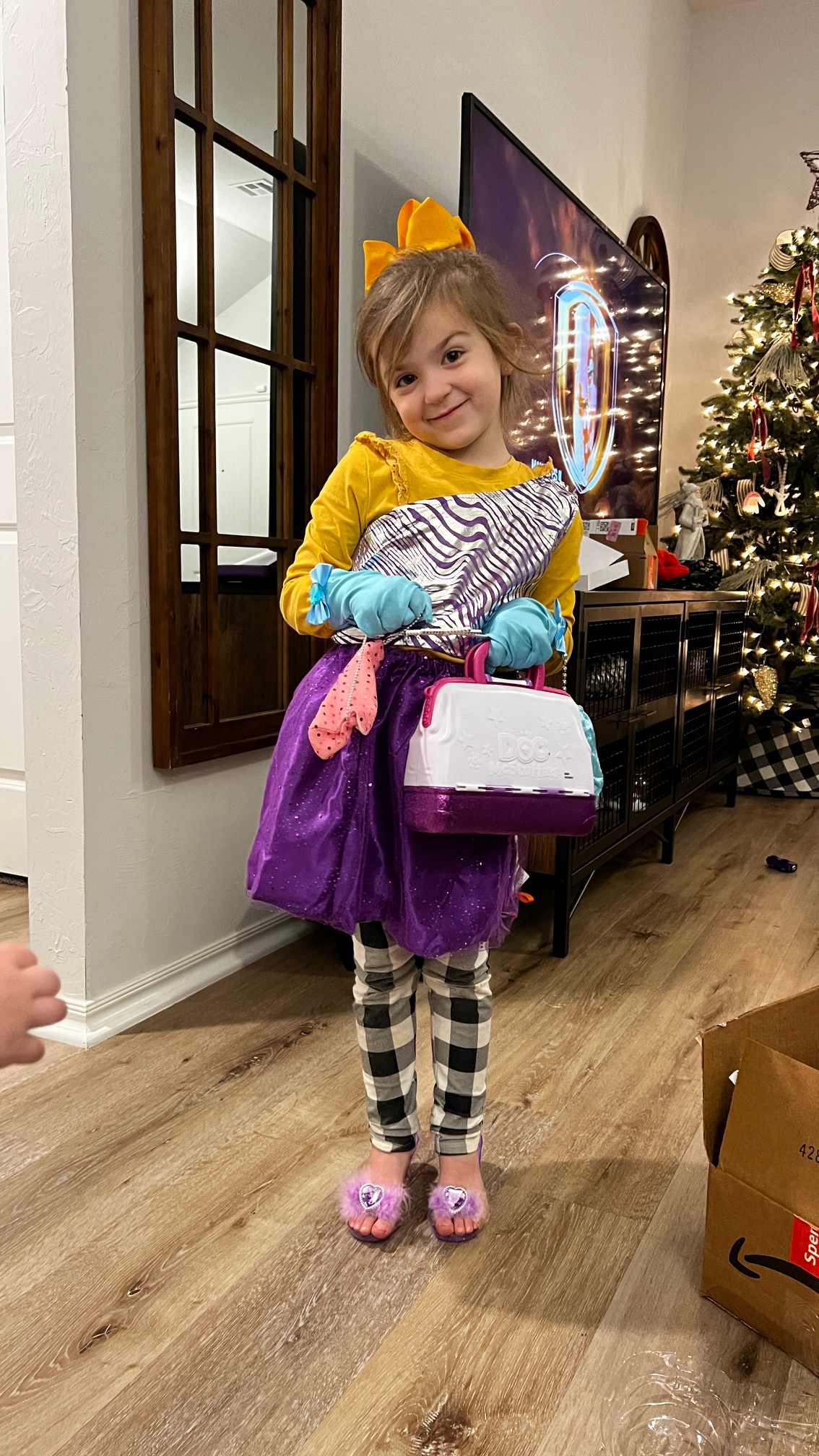
Jessie, the girl who found the words that even a child could understand.
She’s full of spark and style. You should’ve seen the black-and-white tights under her Christmas outfit that year. Jessie is the real girl behind Millie, one of The Bucket Hollow Bunch.
And the bigger why
Why I Created Buckets and Barrels™
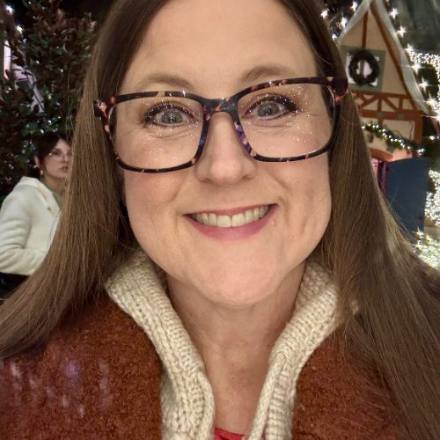
That’s me today. And yes, the little girl on that report card is me too.
People often ask me why I created Buckets and Barrels™.
It wasn’t a children’s book or a business idea. It grew out of years of explaining something to families that had never been put in words they could hold onto.
Whenever I reviewed an evaluation with a family, I’d draw a simple bell curve, plot the child’s cognitive scores, and walk through their pattern of strengths and weaknesses in plain language.
The same thing happened again and again. Students who’d spent years wondering why certain things were harder would smile and say, “I get it now.” Parents had that moment too, realizing that behaviors they’d read as laziness or defiance often had a cognitive explanation.
One mother looked at me and said, “Oh my gosh… I spanked them for that.” I gently replied, “You don’t have to anymore.”
Months later, those same students would come back and tell me about accommodations they’d invented for themselves. Once they understood how their brains worked, they started working with them instead of against them.
Then came Jessie and her hole-in-the-bucket moment, the story I shared above. In one sentence, she handed me the language I’d been reaching for all those years, one even a young child could understand.
That’s how Buckets and Barrels™ was born.
I created Buckets and Barrels™ to take cognitive science and break it down into something families can picture. I wanted to replace confusion with understanding: to help children stop believing something is wrong with them, and to help parents see the reason behind behaviors that once felt impossible to explain. My hope is to give families and educators a shared language for how the brain learns, remembers, and solves problems, because understanding is so often the first step toward hope.
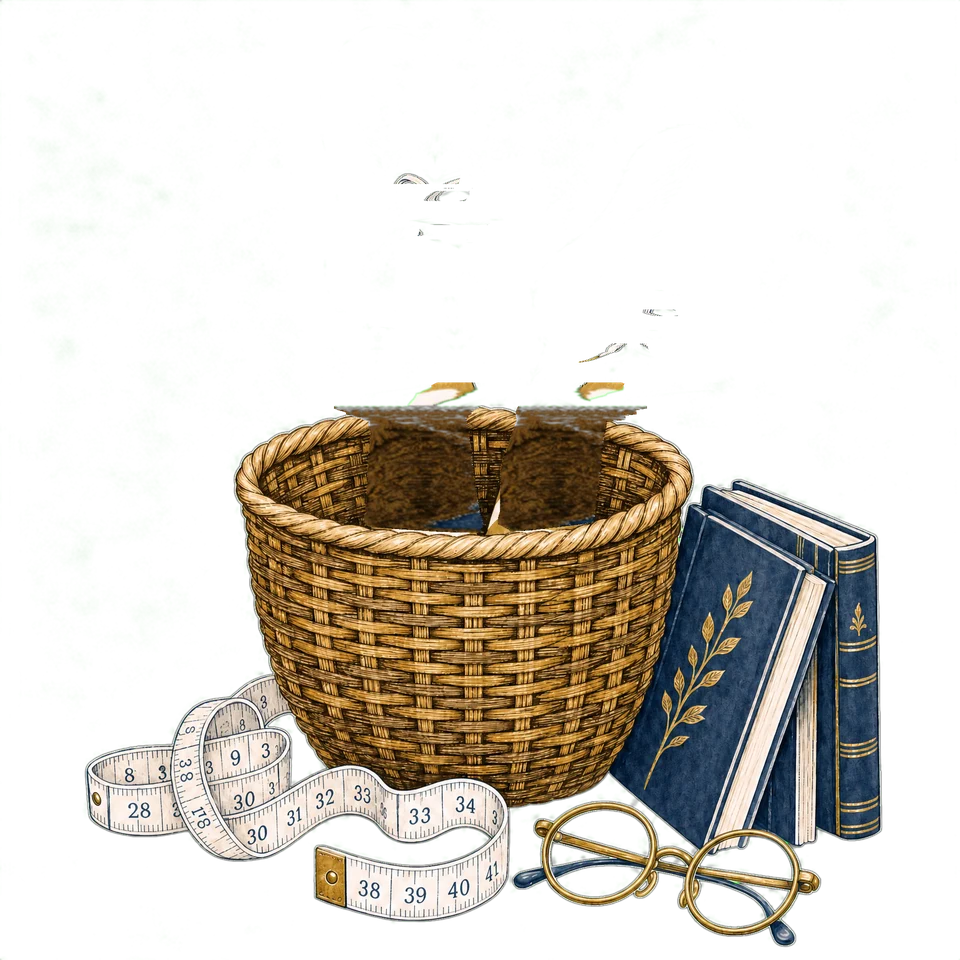
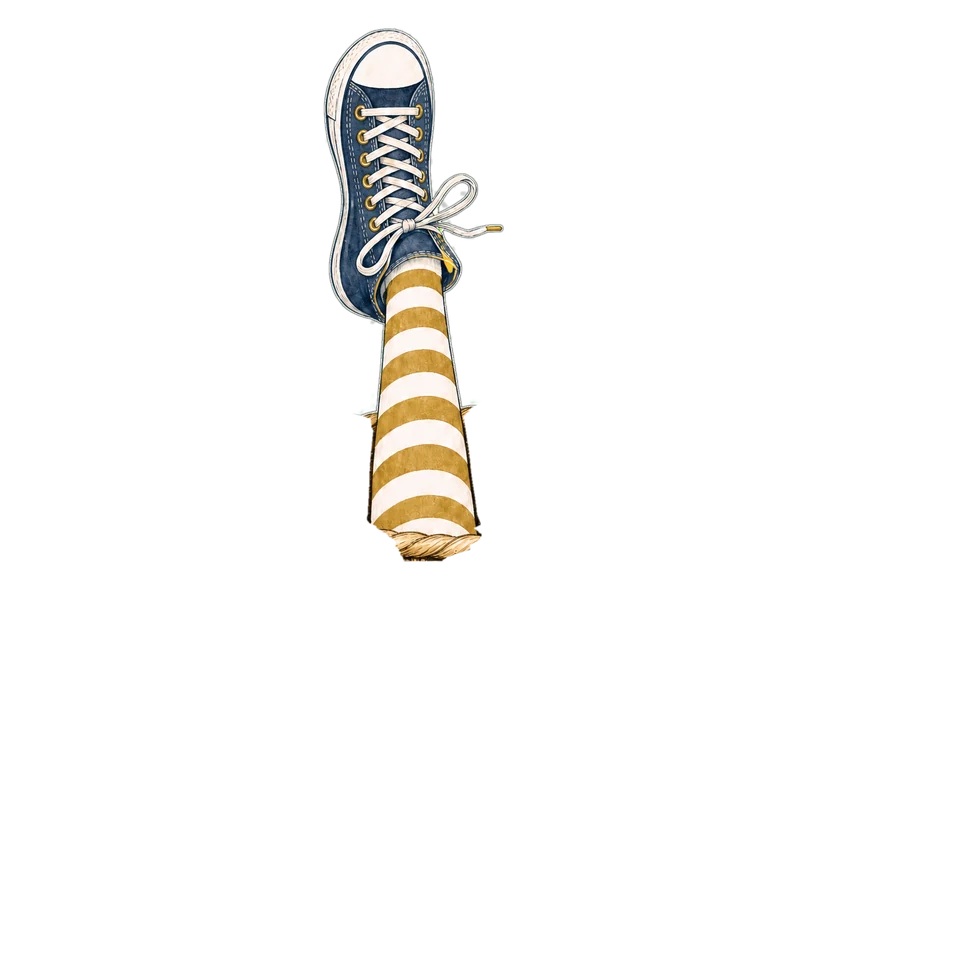
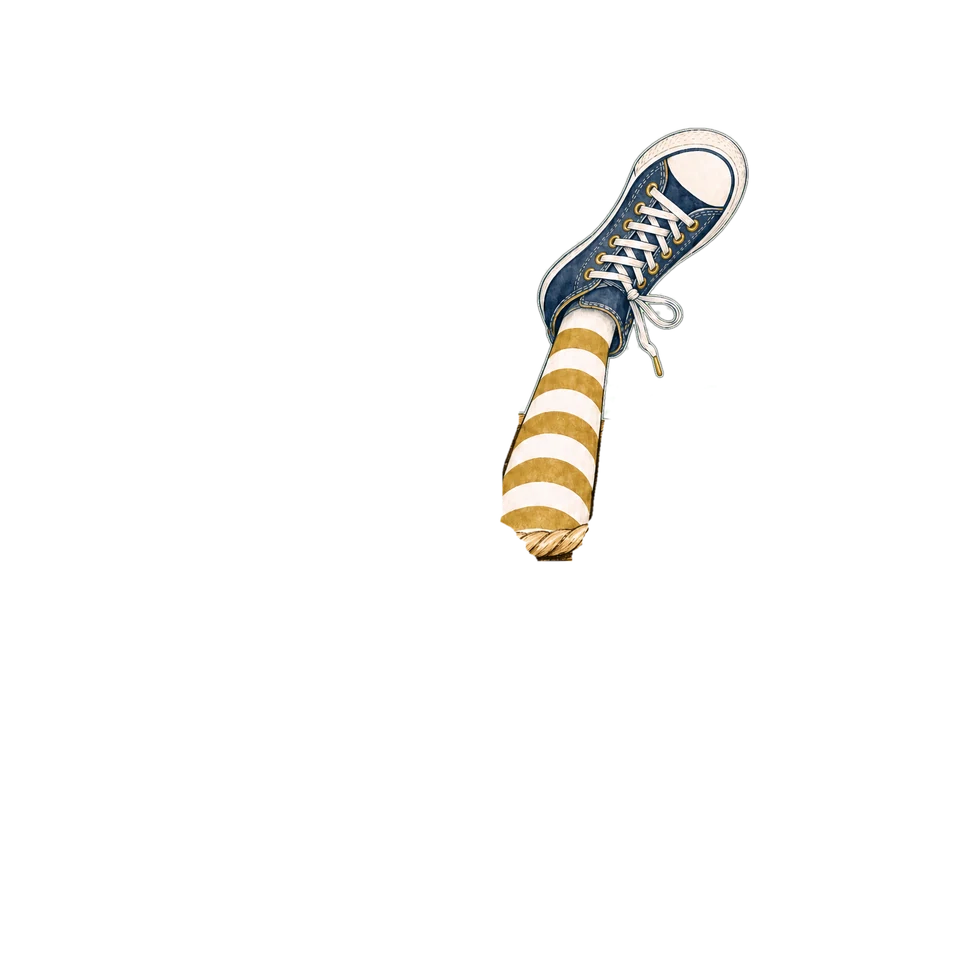

Why the legs? Because I don’t stand outside the bucket with a clipboard. I climb in.
I have sat in every seat at the IEP table:
{{ ardSeat }}
Formal Training
- •Bachelor of Science in Elementary Education, Oklahoma Baptist University
- •Master of Education in Special Education with Educational Diagnostician Certification, University of Texas at Tyler
- •Graduate coursework in School Administration, University of Texas at Tyler
Texas Certifications
- •Texas General Education (K-8)
- •Educational Diagnostician
- •Principal
- •Special Education
Additional Training
- •Trained by Special Education Boss
- •Trained by Master IEP Coach®
- •Bal-A-Vis-X®
- •Brain Gym Certified®
Colleagues, on the Record
“Rhonda brings professionalism, warmth, and one of the strongest work ethics I’ve seen. Families and teams can expect expert support and a compassionate advocate who truly makes a difference.”
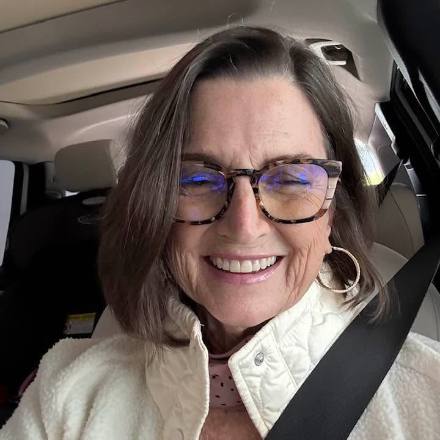
“I met Rhonda when she came to Douglas Elementary as our educational diagnostician. From day one, she stood out: sharp, compassionate, and unwavering in doing what was right for kids. Later, I had the honor of working alongside her again when she became our assistant principal. I watched her support students, families, and staff with a rare mix of heart and backbone. Rhonda doesn’t just know the system, she knows people, and she fights for them. Even after I retired, our friendship has remained one of the greatest gifts of my life.”
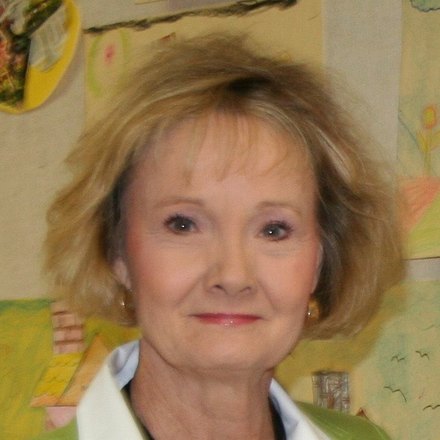
“Rhonda Austin is both intuitive and compassionate. She consistently champions what is right for children. Her deep knowledge of special education law, assessment, academic and emotional accommodations, and her strong communication skills have been key to the success of every IEP meeting I’ve attended with her.”
“Rhonda has a sharp understanding of both students and systems. She brings compassion to the table, but also holds everyone accountable. When she speaks, people listen, because what she says is always grounded in experience and student-centered clarity.”
Let’s Talk
Ask questions, explore services, or just get unstuck. Send me a note with a couple of times that suit you and I will confirm by email. Online booking is coming soon.
Please don't let money scare you off. The call is free, and this was never about the money. I would rather talk with you than have you go without answers. We will figure out together what fits your family.
Email Me To Book →Get New Guides and Tools First
When a new Clarity Guide or tool comes out, be the first to know. No spam, no selling your address. Just help.